
A New World In Our Hearts
What is Mutual Aid?
#SandyAid
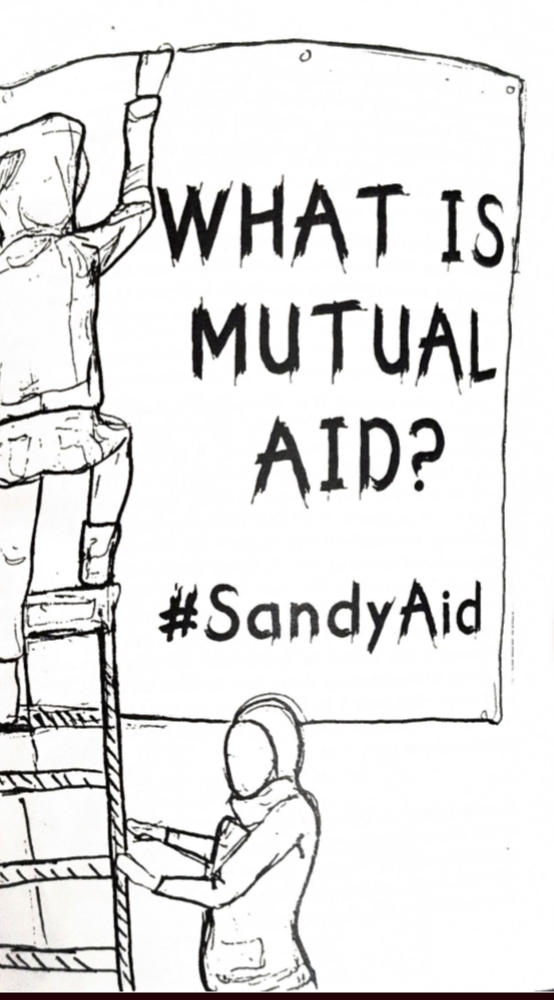
Occupy Sandy is an example of mutual aid: when individuals or groups voluntarily share resources and services. Community members are coming together and working to fill needs in the absence of an adequate response from government agencies and charitable organizations.
Mutual aid is one of the basic principles of anarchism. It is about working with people towards their own liberation and security, and providing concrete support to ensure that people have the power to change the conditions of their own lives.
Mutual aid is not charity. It is not about assuaging guilt, or showing off one’s own position or good fortune, nor is it about giving to those “beneath you.” It is about sharing amongst equals in different positions of need. Giving to charity, while it may have some benefit, rarely addresses the root of the problem. It doesn’t require those giving to acknowledge or question the reason for their privilege. Charity is about maintaining control; those who give the greatest dollar amounts are not interested in sharing any meaningful portion of their wealth, nor their positions of privilege in society. They may give to gain prestige, allow themselves to feel good, or any other number of reasons, but giving unlike sharing does not further equality. Mutual aid is an act that seeks to transform relationships and society for the better. Charity is something that perpetuates the status quo.
Anarchists believe that our health and freedom is bound to that of our neighbor’s irrespective of borders and other boundaries. Mutual aid is mutual because everyone is stronger, better off, and more secure if our neighbors are stronger, better off and more secure.
While of course not all of those who practice mutual aid with Occupy Sandy or through any other efforts may self-identify as anarchists, Occupy Sandy is organized in an anarchistic or horizontal structure, and is committed to many anarchist principles such as mutual aid, free association, autonomy, non-coercion, liberation, accountability, and solidarity. Ultimately anarchists believe in creating a better world free of both hierarchy and coercion.
Large authoritarian structures are good at acquiring the resources needed to address a crisis. Yet people who organize themselves freely, without unwieldy bureaucracies, are better suited to respond quickly and efficiently. We see this pattern from both the government, through FEMA, and the Red Cross’s efforts in New Orleans post Hurricane Katrina, compared with that of the anarchist inspired Common Ground Relief Organization. As we are seeing here in New York City in the aftermath of Hurricane Sandy, those well funded and staffed organizations often fall short in comparison to the ad-hoc efforts of all volunteer community powered Occupy Sandy and affiliated groups in their efforts to respond to crisis. As more people become aware of the failures of these older models of organizing, aid and relief support resources will be directed to more democratic non-hierarchical efforts.
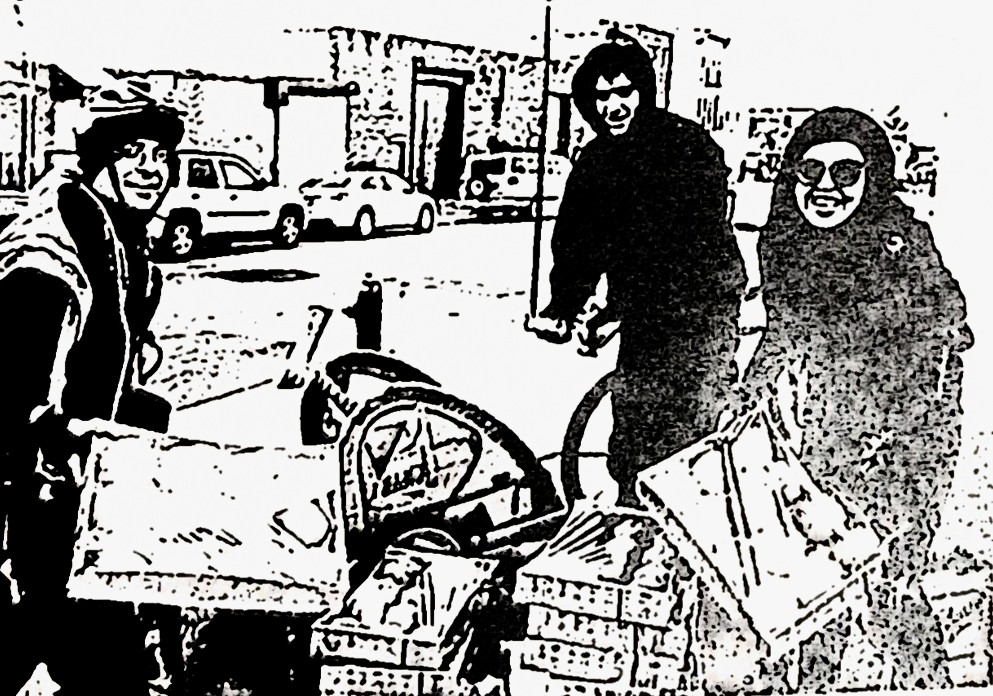
Other examples of projects embodying mutual aid in New York City would include The Brooklyn Free Store, community dinners like Grub, and the various Food Not Bombs food shares that take place throughout the city as well as in other locations all over the world.
Get Involved! Contact mutual aid projects in your area and form your own when and where needed.